
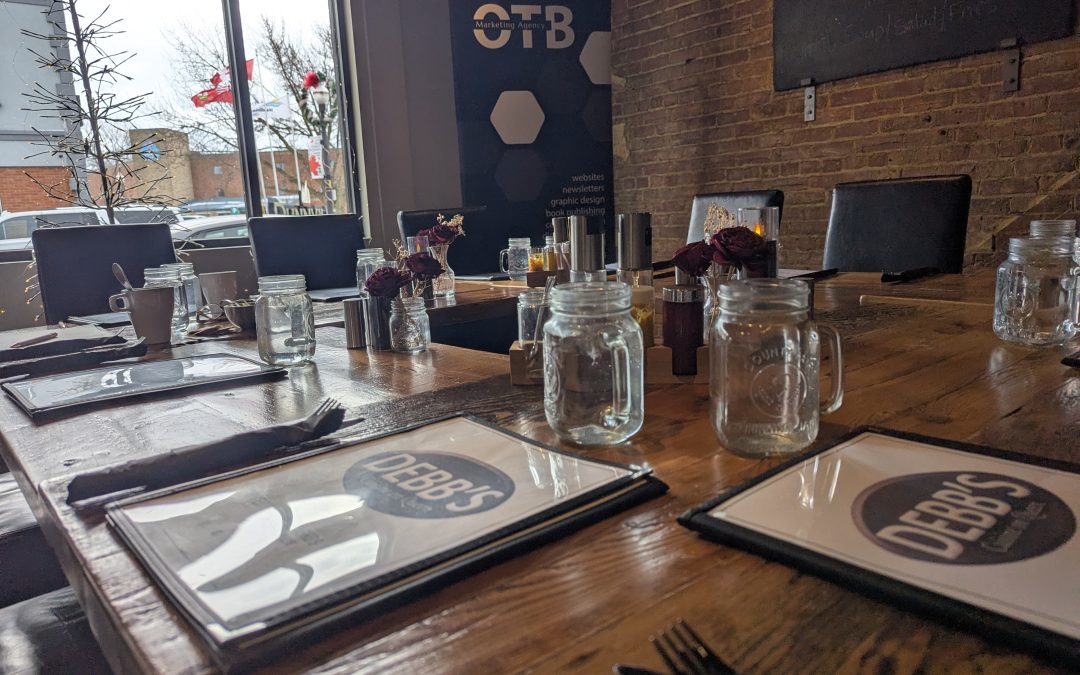
Last week at the Haldimand Marketing Mastermind, we spent the afternoon talking about newsletters — and not from a technical standpoint. No one was asking where to click or which template looks better. The real conversation was about why newsletters feel harder than they should and what’s actually getting in the way.
One of the first questions that came up was frequency. How often should you send one? The answer is simpler than most people expect. Consistency matters more than frequency. If you can commit to once a month and do it well, that’s strong marketing. If you can sustain twice a month, even better. What doesn’t work is sending several when you feel inspired and then disappearing for months. Marketing builds trust through rhythm. Your audience learns to expect you when you show up consistently.
Another common concern was whether people even read newsletters anymore. The short answer is yes — but only if they’re relevant. People don’t read generic updates or long, unfocused emails that feel like they were written just to “check a box.” They do read helpful insights. They read stories that feel real. They read emails that solve a problem or help them think differently. Email is still one of the highest ROI marketing tools available, but it has to feel intentional. When your email sounds like a conversation instead of a broadcast, engagement changes.
We also talked about list size. Several people admitted they hesitate to start because their list feels too small. I actually see that as an advantage. A small list is easier to nurture. It’s more personal. It allows you to refine your message and understand your audience better. One hundred engaged subscribers will always outperform a thousand disengaged ones. Start with past clients, warm leads, and networking connections — with permission. Growth follows consistency, not perfection.
Then came the question of tone. Should newsletters be sales-focused or educational? My advice is to build trust first. Think 70–80% value and 20–30% invitation. Not every email needs a heavy pitch, but every email should have a clear next step. Education positions you as credible. Invitations grow your business. Both matter.
We even touched on platforms — Mailchimp versus Constant Contact versus others. The truth is, the best platform is the one you will actually use. The tool itself matters less than your consistency. Choose something simple if you’re starting out. If you’re growing, look for segmentation and automation capabilities. But don’t get stuck comparing features for weeks while doing nothing. Progress always beats overthinking.
One of my favorite parts of the discussion was around messy lists. “What if I’ve mixed everyone together already?” That’s normal. Most businesses do. You can send a simple email asking subscribers to self-select their interests, or you can start segmenting moving forward instead of trying to perfectly clean up the past. Marketing doesn’t require perfection. It requires movement.
What I appreciated most about the conversation was this: newsletters aren’t difficult because of technology. They’re difficult because of clarity. When you’re unsure who you’re speaking to or what you want to say, everything feels heavier. When you simplify your message and understand your audience, writing becomes easier.
Tomorrow at Mastermind, we’re building on this. We’re going deeper into content buckets, how to stop overthinking, and how to turn everyday conversations into strategic marketing content that can be repurposed across platforms. Even if newsletters aren’t your focus right now, the discussion around content and audience clarity will give you practical ideas you can implement immediately.
We meet Wednesdays at 12 noon at Debb’s Cuisine. If you’ve been thinking about coming but haven’t yet, consider this your invitation. There’s always room at the table.
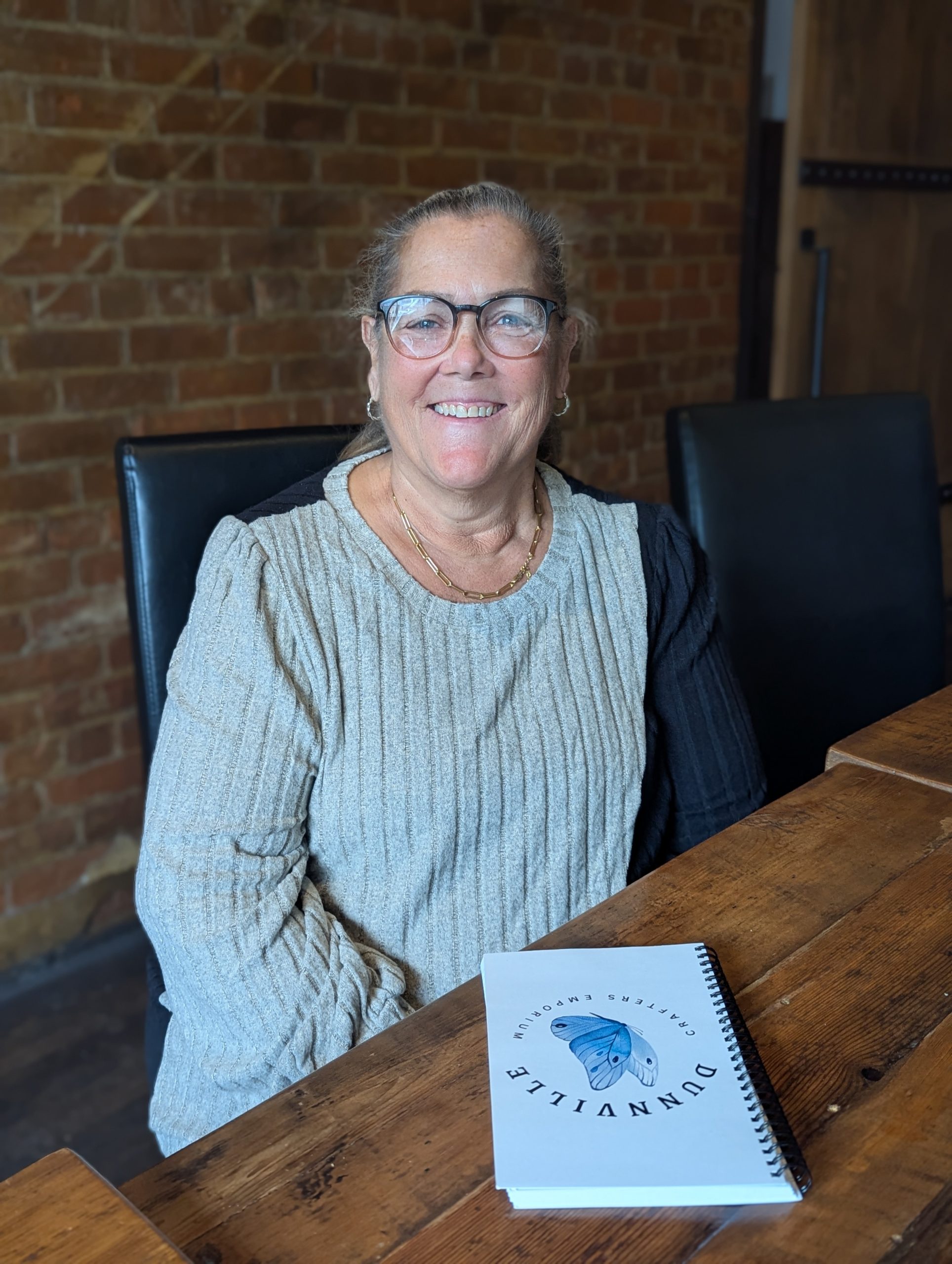
Dunnville Craft Emporium
Sheri Croxon
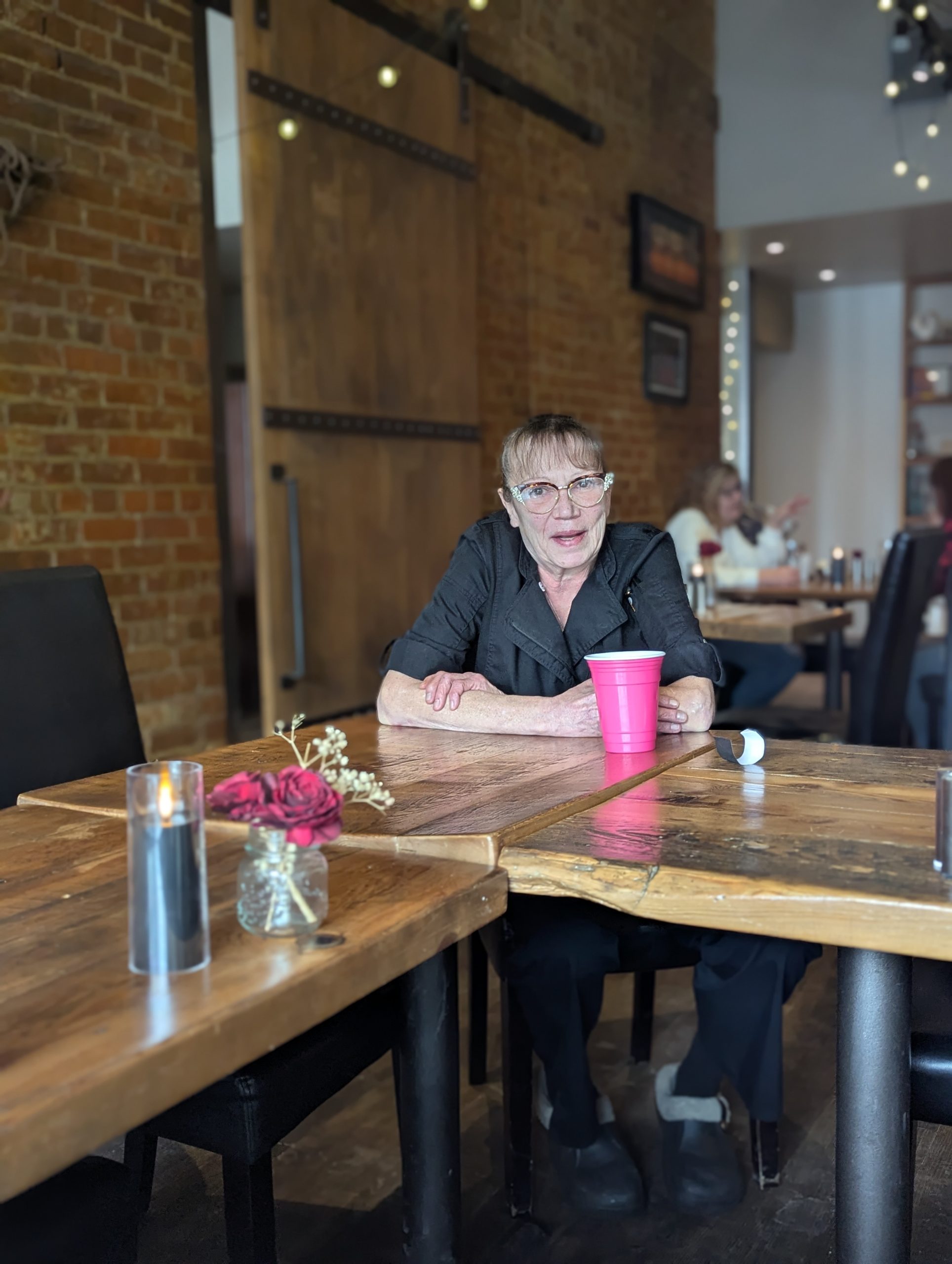
Debbs Cuisine
Debb Davies
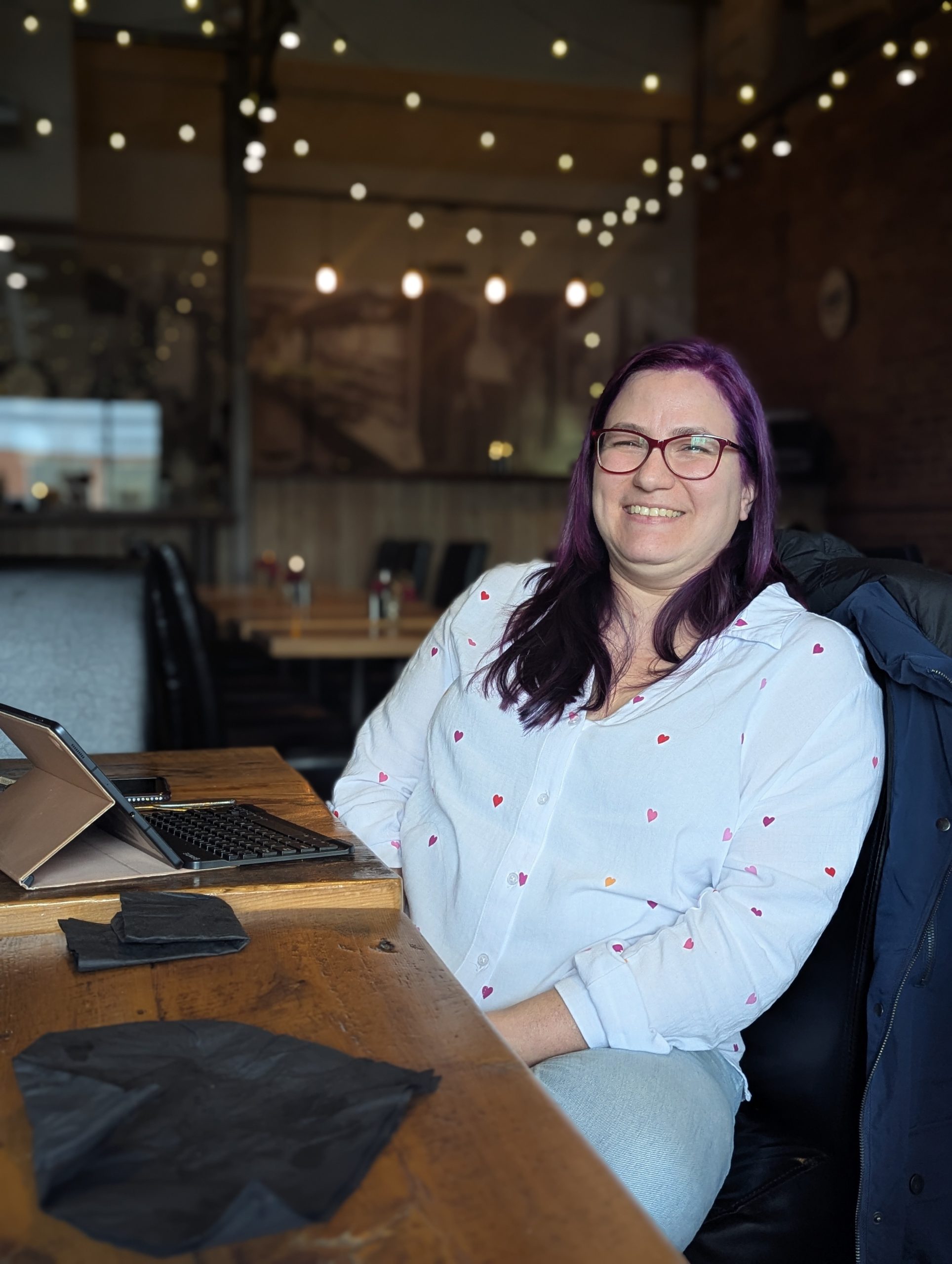
Julie Cox, Designs and Alterations
Julie Cox
Mortgage Alliance
Nicole Breadner, Mortgage Broker
Beecause We Care
Ethel Pollak

“I love when a room full of business owners realizes they’re not stuck — they’re just overthinking.” ~ Angela
Angela Brooks is a marketing consultant, community builder, and founder of OTB Marketing & Publishing. With more than two decades of experience in strategy and brand development, she runs a full-service marketing agency and publishing company, helping entrepreneurs and organizations move from scattered marketing to intentional growth. Angela is known for her practical, down-to-earth approach to messaging, content creation, and consistency — guiding business owners to stop overthinking and start executing.
She leads Marketing Masterminds, workshops, and strategy sessions designed to turn ideas into action and build real momentum. In her spare time, you’ll likely find her in her Doodle Studio (also known as the Draft Shed), working with stained glass, painting, or exploring whatever creative project has inspired her next.